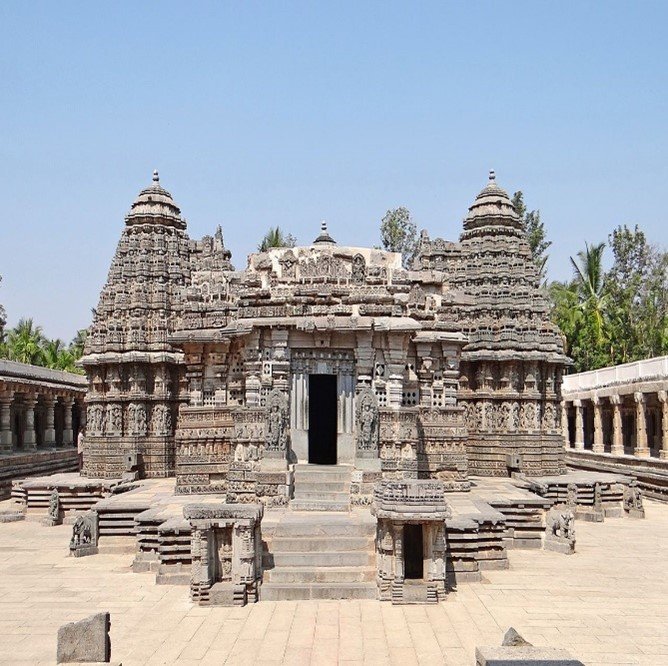
Surya Tilak Project at Ram Temple in Ayodhya
It aims to direct sunlight onto the forehead of the idol on Ram Navami annually.
The setting up of the necessary equipment was done by scientists and engineers at two government-funded organisations, the Indian Institute of Astrophysics (IIA) in Bengaluru and the Central Building Research Institute, Roorkee.
The Lucknow-based National Botanical Research Institute (NBRI), a Council of Scientific and Industrial Research (CSIR) institution, is reviving endangered flower species used in the 12th-century Shree Jagannath Temple in Puri, Odisha.
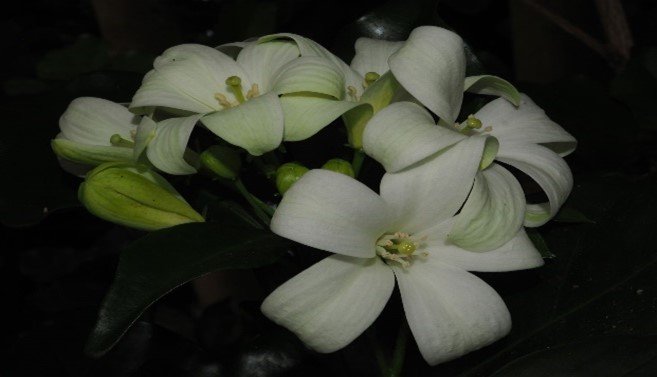
- NBRI has supplied Maurya and Davana (Dayana) flower species to the temple.
- The Shree Jagannath Temple involves the extensive use of flowers and leaves for specific rituals.
- Quality planting materials of Marigold, Tuberose, Tulsi, Jasmine, and Davana (Dayana) have been supplied and introduced in the temple’s Matitota garden for worship purposes.
- Gardeners are periodically trained in agro-practices for raising these plants.
- Additionally, the Namoh 108 variety of lotus, released by CSIR-NBRI, was introduced in the Koili Baikuntha garden of the temple.
- These aromatic flowers and foliage plants are in high demand for daily rituals.
Dig Deeper: Read about the toxicity caused by temple flowers (Oleander) in South India