
- The number of endangered Iberian lynx in the wild in Spain and Portugal has nearly doubled since 2020 to surpass 2,000 last year, according to the Spanish government.
- A total of 722 lynx were born in 2023 bringing their total number in the two countries to 2,021.
- The boom in lynx numbers is attributed to the success of a captive breeding and reintroduction programme launched in 2011.
- A new ambitious conservation project, LIFE Iberlince, is recovering some of the lynx’s lost territories in Spain and Portugal.
- This rise allows the reduction of the risk of extinction of the Iberian lynx.
- The Iberian lynx was on the brink of extinction just two decades ago due to poaching, road accidents, as well as a dramatic decline due to disease in wild rabbit numbers, the lynx’s main prey.
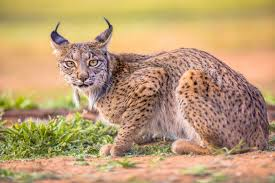
- The Iberian lynx is known for its pointy ears, long legs and leopard-like spotted fur.
- The Iberian lynx mostly depends on wild rabbits to feed, but it will also eat ducks, young deer and partridges if rabbit densities are low.
- The Iberian lynx population has continued to rise since 2015 when the International Union for Conservation of Nature downgraded the threat level to ‘endangered’ from ‘critically endangered’ — its highest category before extinction in the wild.
Dig Deeper: Compare reintroduction and captive breeding of Iberian lynx with Project
Cheetah of India.
