
Role of Human Activities in N2O emissions
- N2O emissions from human activities have increased by 40% (3 MMT of N2O per year) in the past four decades.
- Agricultural production using nitrogen fertilizers, such as ammonia, and animal manure contributed 74% of the total anthropogenic N2O emissions in the last decade.
- N2O emissions from human activities, responsible for 6.4% of the effective radiative forcing of greenhouse gases, have added about 0.1 degree Celsius to current global warming.
- India is the world’s second-largest source of nitrous oxide (N2O), a greenhouse gas that heats the atmosphere far more than carbon dioxide.
- Nearly 11% of such global man-made emissions in 2020 were from India, topped only by China at 16%.
- The major source of these emissions comes from fertilizer usage, according to a Global Assessment of N2O Emissions published in the journal Earth System Science Data.
- In 2022, the concentration of atmospheric N2O reached about 25% above the levels seen before the industrial age. In comparison, the concentration of carbon dioxide was 417 parts per million in 2022.
- This means that the current level of carbon dioxide in the atmosphere is a thousand times more than that of nitrous oxide, making carbon dioxide reduction the bigger priority among countries trying to contain climate change.
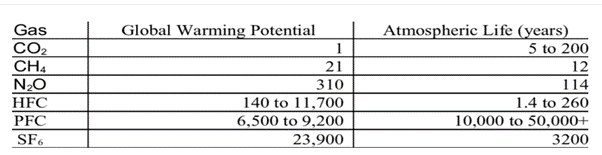
Dig Deeper: What is Global Warming Potential? Compare the role of agriculture-related activities in the emission of Methane and Nitrous oxide.
