
- The Centre for Citizen Science and Biodiversity Informatics under the Kerala Forest Research Institute (KFRI) is organising Monsoon Croaks Bioblitz 2024, a citizen science programme aimed at documenting the frogs of Kerala during the monsoon.
| Global Biodiversity Information Facility All scientific observations made available during the Bioblitz will become part of the Global Biodiversity Information Facility (GBIF), a biodiversity open-source database. The GBIF secretariat is located in Copenhagen.This information can be used for biodiversity awareness, habitat conservation, climate change research and policy making. |
A bioblitz is an intensive survey conducted over a period of time to identify as many species as possible within a designated area, earlier held in 2023.
- In the Monsoon frogs are most active and breed during the rain.
- The survival of frogs indicates the ecosystem’s health, which is challenged by many factors such as climate change, untimely rainfall patterns, habitat loss and water pollution.
- As a result, 41% of the world’s frogs are on the IUCN (International Union for Conservation of Nature) Red List of endangered species.
- The Kerala has over 200 frog species.
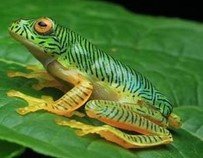
| Figure 3 Anamalai gliding frogIucn status: Critically endangered |
Red-listed frog species of western ghat like the Malabar torrent toad (Ghatophryne ornate), Anamalai Gliding Frog (Rhacophorus pseudomalabaricus) will be assessed.Purple frog (Nasikabatrachus sahyadrensis) recently shifted to the Near Threatened category from Endangered by IUCN.
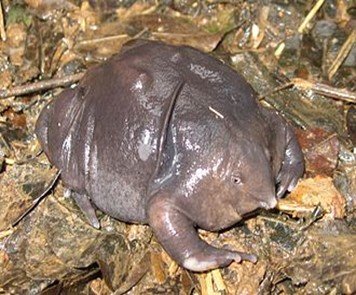
| Figure 2 Purple frogIUCN Status: Near Threatened |
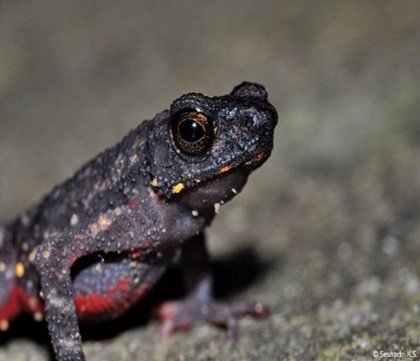
| Figure 1 Malabar Torrent ToadIUCN Status: Endangered |
Dig Deeper: Read about the recently conducted Global Amphibian Assessment and the Kottigehar Dancing Frog.
